

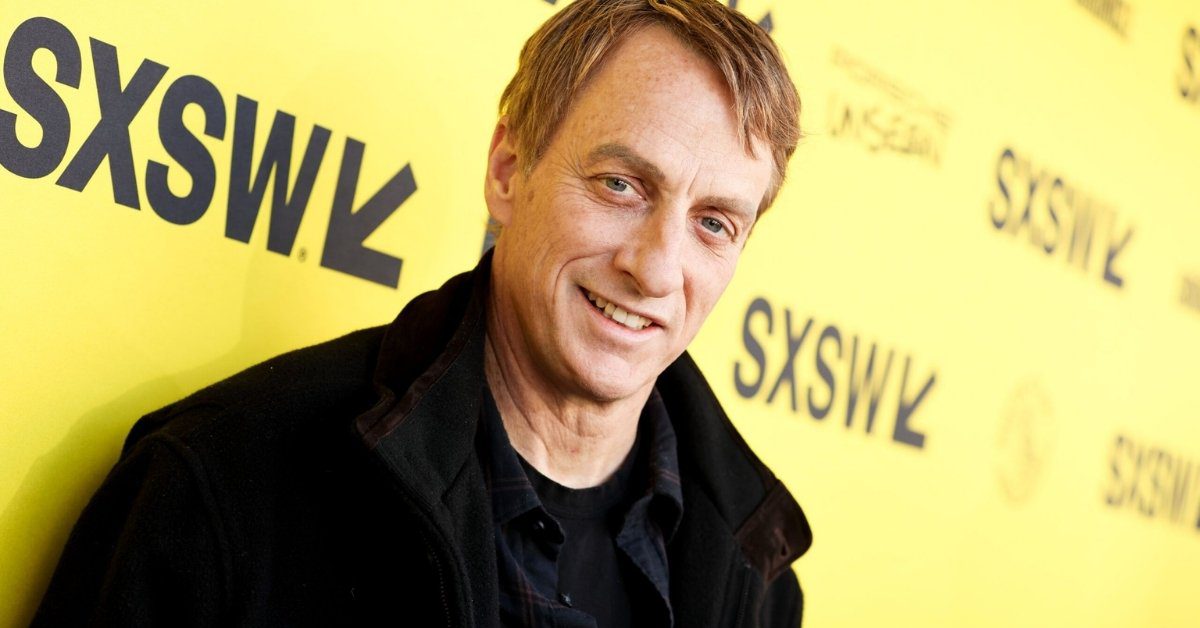
Tony Hawk is one of the most influential figures in modern sports and youth culture. This article explores tony hawk net worth by examining how a professional skateboarder transformed competitive success into a global business empire. The overview explains his early life, rise in competitive skating, and transition into entrepreneurship, media, and philanthropy. Readers will learn how tournament prizes, sponsorships, video game revenue, and long-term investments contributed to his estimated $140 million fortune.
The article also highlights his real estate ventures, entertainment projects, charity work, and upcoming opportunities for future growth. By connecting his career achievements with smart financial decisions, this guide provides a clear, detailed picture of how Tony Hawk built lasting wealth while shaping skateboarding worldwide.
Tony Hawk Profile Summary
| Fact | Details |
| Full Name | Anthony Frank Hawk |
| Known As | Tony Hawk |
| Date of Birth | May 12, 1968 |
| Age | 57 years |
| Birthplace | San Diego, California, USA |
| Nationality | United States of America |
| Profession | Professional Skateboarder, Entrepreneur, Actor, Producer |
| Height | 6 ft 3 in (1.905 m) |
| Primary Fame | Vert skater, 900 trick pioneer |
| Estimated Net Worth | $140 million |
| Main Income Sources | Endorsements, Video game revenue, Investments |
| Most Profitable Venture | Tony Hawk Pro Skater (Activision) |
| Game Series Revenue | $1.4 billion (lifetime) |
| Skateboarding Team | Bones Brigade (Powell Peralta) |
| Major Achievements | World champion, X Games icon |
| Business Brands | Birdhouse Skateboards, Hawk Clothing, 900 Films |
| Philanthropy | The Skatepark Project (Tony Hawk Foundation) |
| Residence | Encinitas, California |
| Children | Riley Hawk (professional skateboarder) |
| Industry Recognition | Skateboarding Hall of Fame |
What Is Tony Hawk Net Worth?
Tony Hawk’s net worth is widely estimated at $140 million, making him the wealthiest skateboarder in history. This figure reflects decades of income from competitive skating, endorsements, business ownership, media projects, and strategic investments. Unlike many athletes whose earnings peak during competition years, Hawk’s financial growth accelerated after he stepped back from professional contests. His wealth comes from diversified revenue streams rather than a single success.
As a professional skateboarder, he earned money from tournament prizes and appearance fees during the height of competitive skating. However, these earnings were modest compared to what followed. His entrepreneurial mindset allowed him to build scalable businesses tied to skateboarding culture, fashion, gaming, and entertainment. Over time, these ventures generated recurring income that far exceeded prize money.
Tony Hawk’s net worth also reflects long-term brand value. His name is associated with innovation, credibility, and authenticity in skateboarding. That reputation allowed him to negotiate favorable sponsorships, license his identity across industries, and attract investment opportunities. The $140 million figure is not just a snapshot of wealth but a result of sustained relevance across sports, media, and business.
How Did He Make His Money?
Tony Hawk made his money by combining elite athletic performance with smart business decisions. His skateboarding career provided the foundation, but entrepreneurship multiplied his earnings. Early income came from competitive skating events sanctioned by organizations such as the National Skateboard Association, where he earned tournament prizes as a dominant vert skater. As he became a world champion, sponsors followed.
Endorsements played a critical role. Brands recognized Hawk’s clean image and technical skill, making him attractive for long-term sponsorships. These deals provided steady income through sponsorships and appearance fees, even when he was not actively competing. Unlike short-term endorsements, many of his partnerships evolved into equity-based relationships.
The most significant financial leap came from the Tony Hawk Pro Skater video game series developed with Activision. This franchise alone generated approximately $1.4 billion in video game revenue. Hawk also launched Birdhouse Skateboards, Hawk Clothing, and 900 Films, allowing him to control production, branding, and distribution. By reinvesting profits into new ventures, he built a diversified portfolio that sustained and expanded his wealth.
Tony Hawk Overall Career Earnings
Tony Hawk’s overall career earnings span multiple phases, each contributing differently to his net worth. During his early competitive years, income primarily came from tournament prizes and modest sponsorships. Competitive skating in the 1980s and early 1990s was not highly lucrative, but Hawk’s dominance ensured consistent earnings compared to peers.
As skateboarding gained mainstream attention through events like the X Games and Boom Boom HuckJam, Hawk’s appearance fees increased significantly. He became a reliable draw for competitions, exhibitions, and televised events. These appearances enhanced his visibility and reinforced his personal brand, leading to better endorsement contracts.
The transition into media and business dramatically increased earnings. The Tony Hawk Pro Skater series provided royalties and licensing income over many years. Film and television projects through 900 Films added another layer of revenue. Combined with dividends from investments and brand ownership, Hawk’s total career earnings reflect a shift from active performance income to long-term passive and semi-passive income streams.
Real Estate Ventures
Real estate has been a quieter but important component of Tony Hawk’s financial strategy. He has invested in residential properties primarily in California, including areas near San Diego, California, and Encinitas, California. These locations align with his lifestyle and provide stable long-term value.
Rather than pursuing high-risk commercial real estate, Hawk focused on properties that serve both personal and investment purposes. This approach reduced volatility while preserving capital. Some properties were renovated and later sold at a profit, while others were retained as long-term assets.
Real estate also complements his overall portfolio by balancing income from entertainment and consumer brands. Property values tend to be less correlated with media revenue cycles, offering financial stability. Over time, appreciation in California real estate contributed millions to his net worth, reinforcing the importance of diversification beyond skateboarding-related ventures.
Investments in Sports Teams and Brands
Tony Hawk has invested in sports-related businesses that align with his expertise and personal interests. These investments include minority stakes in action sports brands and collaborations with emerging skate companies. His involvement often goes beyond capital, providing mentorship and credibility.
One notable aspect of his investment strategy is brand alignment. Hawk avoids ventures that conflict with skateboarding culture, focusing instead on authenticity. This approach protects his personal brand while supporting the broader skate community. Investments in board manufacturing, apparel, and youth-focused sports initiatives reflect this philosophy.
The returns from these investments come from equity growth rather than short-term payouts. As brands mature or are acquired, Hawk benefits from valuation increases. This long-term mindset mirrors venture capital strategies and demonstrates his evolution from athlete to sophisticated investor.
Entertainment Industry Investments
The entertainment industry has been central to Tony Hawk’s wealth expansion. Through 900 Films, he produced documentaries, television content, and branded entertainment. These projects allowed him to control storytelling around skateboarding while generating production revenue.
Hawk also appeared in mainstream media, including the Jackass franchise, which introduced him to audiences beyond skateboarding. These appearances generated fees and strengthened his cultural relevance. He famously skateboarded at the White House, an event that symbolized skateboarding’s acceptance into mainstream society.
Entertainment investments differ from endorsements because they create intellectual property. Ownership of content allows Hawk to earn residual income over time. This strategy reduced dependence on physical performance and ensured continued earnings well into his post-competition years.
Tony Hawk Personal Life
Anthony Frank Hawk was born on May 12, 1968, in San Diego, California. His upbringing played a significant role in shaping his discipline and focus. Diagnosed as hyperactive at a young age, skateboarding became an outlet that provided structure and purpose.
Hawk later settled in Encinitas, California, a coastal community known for surf and skate culture. His personal life remains closely connected to skateboarding, even as his career expanded into business and philanthropy. Family plays an important role, particularly his son Riley Hawk, who followed in his footsteps as a professional skateboarder.
Despite immense wealth, Hawk is known for a relatively grounded lifestyle. He continues to skate regularly and engage with fans. This authenticity reinforces his brand and explains why his endorsements and ventures maintain credibility decades into his career.
Upcoming Projects and Potential Growth
Looking ahead, Tony Hawk’s financial growth is supported by ongoing and upcoming projects. The revival and remastering of classic video games in the Tony Hawk Pro Skater series continue to generate video game revenue. Nostalgia-driven demand introduces his brand to new generations while retaining longtime fans.
He is also expanding digital content and educational initiatives related to skateboarding. These projects focus on community engagement rather than pure profit, but they enhance brand equity. As skateboarding remains part of global sporting events, including international competitions, Hawk’s influence continues to grow.
Potential growth also lies in strategic investments. As an entrepreneur, Hawk evaluates emerging brands in sports, lifestyle, and technology. His reputation attracts deal flow, ensuring access to high-quality opportunities. While his net worth is already substantial, these projects suggest continued financial expansion.
Early Life
Tony Hawk showed exceptional talent at an early age. Growing up in Southern California, he had access to skate parks and a supportive family environment. By age 12, he was sponsored, and by 14, he turned professional. This early start laid the foundation for a long skateboarding career.
He joined Powell Peralta, one of the most influential skateboarding companies of the era. As a member of the Bones Brigade, Hawk skated alongside legends like Tony Alva, Rodney Mullen, Mark Gonzales, and later Bob Burnquist. This group defined modern skateboarding and pushed technical boundaries.
Early success brought recognition but limited income. Skateboarding was still a niche sport. However, these formative years established Hawk’s reputation as a disciplined, innovative vert skater, setting the stage for future financial success.
Career
Tony Hawk’s career is defined by competitive excellence and innovation. He won numerous titles through the National Skateboard Association and became a world champion multiple times. His mastery of vert skating distinguished him from street skaters and solidified his dominance.
One of the most iconic moments in sports history occurred when Hawk landed the 900 trick at the X Games. This achievement symbolized the peak of competitive skating and cemented his legacy. It also attracted mainstream media attention, expanding his audience beyond core skate fans.
As competitive skating evolved, Hawk transitioned from athlete to ambassador. He continued performing exhibitions and mentoring younger skaters. His induction into the Skateboarding Hall of Fame recognizes not only his titles but his lasting impact on the sport.
Endorsements and Appearances
Endorsements have been a consistent revenue source throughout Tony Hawk’s career. Early sponsorships came from skate brands, but as his profile grew, mainstream companies followed. These deals provided stable income through sponsorships and appearance fees.
Hawk’s appeal lies in trust and relatability. Brands valued his long-term credibility rather than short-lived fame. This resulted in enduring partnerships instead of one-off campaigns. Appearances at events, commercials, and media programs reinforced brand visibility while contributing financially.
Unlike many athletes, Hawk avoided overexposure. Selective endorsements preserved authenticity, ensuring continued demand. This strategic restraint enhanced the overall value of his personal brand and contributed significantly to his net worth.
Investments
Tony Hawk’s investment philosophy emphasizes alignment, patience, and impact. Beyond sports brands, he invested in lifestyle and consumer companies such as Blue Bottle Coffee, recognizing early growth potential. These investments diversified income sources beyond skateboarding.
| Investment Category | Purpose | Financial Impact |
| Sports Brands | Industry growth | Long-term equity |
| Media & Games | Intellectual property | Recurring revenue |
| Lifestyle Companies | Diversification | Capital appreciation |
Philanthropy
Philanthropy is central to Tony Hawk’s identity. He established the Tony Hawk Foundation, now known as The Skatepark Project, to support skatepark projects in underserved communities. This initiative reflects his belief in skateboarding as a positive social force.
The foundation provides grants to local governments and nonprofits, enabling the construction of public skateparks. These spaces promote physical activity, creativity, and community engagement. Hawk’s philanthropic model focuses on sustainability rather than short-term aid.
His involvement with Athletes for Hope further demonstrates his commitment to using influence for social good. Philanthropy may not directly increase net worth, but it strengthens legacy and long-term brand trust.
Charity Work
Beyond formal foundations, Tony Hawk participates in hands-on charity work. He attends fundraising events, mentors young skaters, and advocates for public recreation spaces. These efforts amplify the impact of his financial contributions.
Charity work also reinforces authenticity. By staying connected to grassroots skateboarding, Hawk maintains credibility among core audiences. This connection indirectly supports business ventures by keeping his brand rooted in real community values.
Over time, his charity work has helped redefine skateboarding as an inclusive, positive activity. This cultural shift benefits the entire industry and ensures continued relevance for Hawk’s projects and investments.
Conclusion
Tony Hawk’s financial journey illustrates how passion, discipline, and strategic thinking can create extraordinary wealth. From humble beginnings as a young skater in California to a global entrepreneur with a $140 million net worth, his story goes beyond sports. Competitive success provided the platform, but business ventures, endorsements, investments, and philanthropy built lasting value. By aligning financial decisions with personal values, Hawk achieved both economic success and cultural impact. His legacy is not only measured in dollars but in the global growth of skateboarding and the opportunities he created for future generations.

Oliver Ford, a writer with over 6+ years of experience creating thoughtful blessing content designed to encourage, uplift, and connect. I specialize in transforming genuine emotions into meaningful words that offer comfort, joy, and spiritual reassurance. From birthday wishes to faith-based blessings and uplifting reflections, my work focuses on spreading positivity, kindness, and hope through clear, heartfelt messages readers can truly relate to.